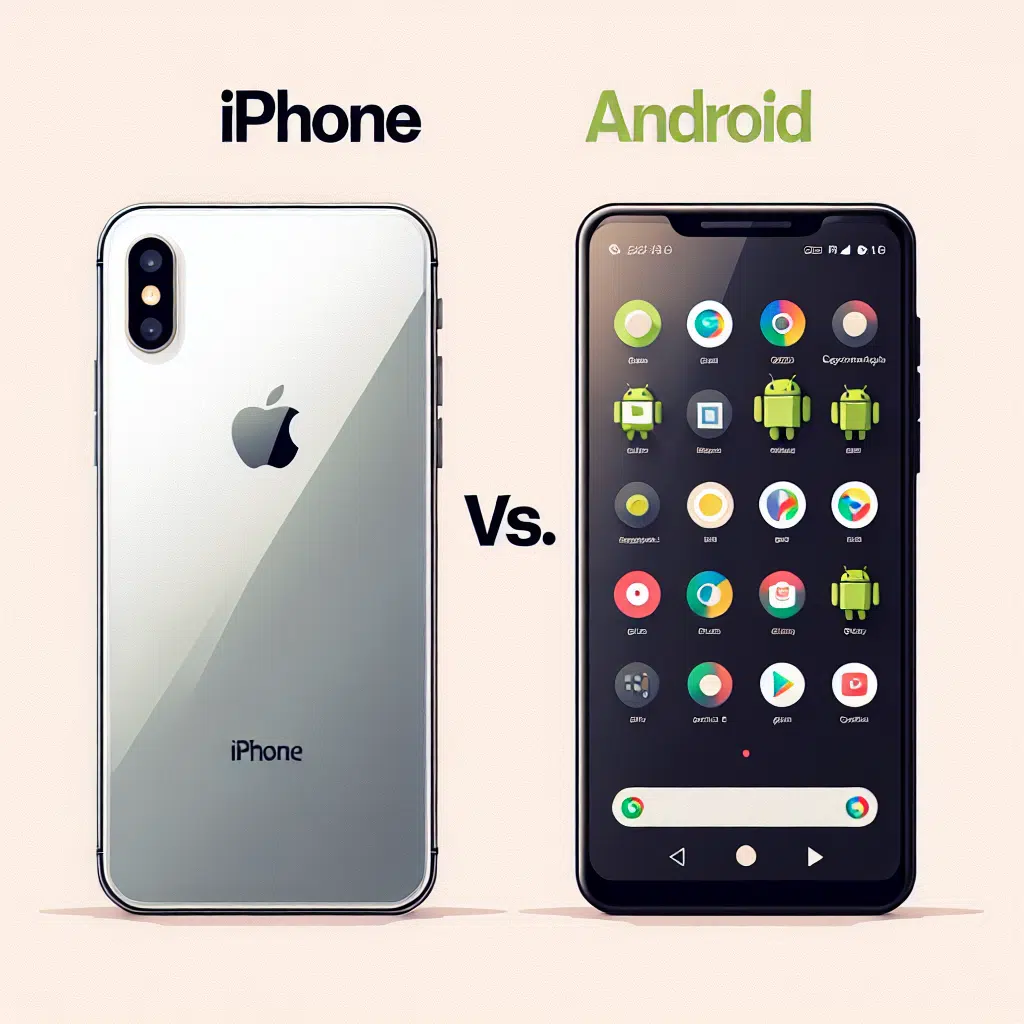
How To Iphone Vs Android
In the ever-evolving landscape of mobile technology, the rivalry between iPhone and Android continues to be one of the hottest debates among consumers and tech enthusiasts alike. As we step into 2023, both platforms have made significant strides, offering unique features and experiences that cater to a wide range of users. In this article, we’ll explore the merits of each operating system to help determine which one reigns supreme this year.
The Overview
iPhone (iOS)
Apple’s iOS has long been praised for its user-friendly interface, robust ecosystem, and tight integration with other Apple products. With its latest iteration, iOS 16, Apple continues to emphasize a seamless experience, refined security features, and innovative functionalities designed to enhance user convenience.
Key Features:
- Ecosystem Integration: iPhones work harmoniously with other Apple devices like the iPad, Apple Watch, and Mac, allowing for easy content sharing and continuity.
- Security and Privacy: Apple places a strong emphasis on user privacy, with features like data encryption and minimal use of user data.
- Regular Updates: iOS devices receive updates directly from Apple, ensuring that even older models benefit from the latest features and security patches.
Android
Android, powered by Google, boasts a more open and customizable platform, catering to a more extensive range of devices and user preferences. The latest version, Android 13, emphasizes personalization, multitasking, and cloud integration, making it highly versatile.
Key Features:
- Customization: Users can personalize their devices with widgets, themes, and launchers, creating a unique user experience.
- Device Variety: With numerous manufacturers like Samsung, Google Pixel, and OnePlus, Android offers a vast array of choices in terms of hardware and price points.
- Integrative Capabilities: Android’s integration with Google services provides users easy access to tools like Google Assistant, Google Photos, and Drive.
Design and User Experience
Both operating systems have unique design philosophies.
iOS is known for its sleek, minimalist design, promoting simplicity and ease of use. Features like the App Library and Focus modes help users manage notifications and apps efficiently.
- Android, with its Material You design, focuses on adaptability, enabling users to modify their UI based on personal preferences. The flexibility of its interface attracts those who enjoy tailoring their devices.
App Ecosystem
When it comes to applications:
Apple’s App Store is often seen as more curated, with stricter guidelines ensuring higher-quality apps. This can translate to a better overall experience but may also result in longer approval times for developers.
- Google Play Store, while less regulated, offers a broader range of applications, including many free options. However, this sometimes leads to issues with app quality and security.
Performance and Hardware
Apple maintains tight control over both hardware and software, resulting in excellent optimization. The A15 and A16 Bionic chips in the latest iPhones provide unmatched performance and efficiency, particularly in gaming and multitasking.
Android devices showcase a variety of processors, with Qualcomm’s Snapdragon and Google’s own Tensor chips leading the pack. While flagship models can compete with iPhone in terms of performance, entry-level devices may not offer the same efficiency.
Pricing and Accessibility
iPhone models tend to be on the pricier side, often viewed as premium products. The latest iPhones can range from $799 to well over $1,000, making them less accessible to budget-conscious consumers.
- Android offers a vast spectrum of devices, from budget smartphones starting at under $300 to high-end models that rival the iPhone in features and performance. This inclusivity makes Android a favorite among users in various economic brackets.
Conclusion: The Final Verdict
Choosing between an iPhone and an Android device in 2023 ultimately comes down to personal preferences and priorities.
If you value a cohesive ecosystem, top-notch security, and an intuitive user interface, the iPhone remains a compelling choice.
- If flexibility, customization, and budget-friendly options are paramount, Android devices offer an unmatched variety.
Each operating system has its strengths and weaknesses, and both continue to innovate in ways that enhance the user experience. In the end, the "best" mobile OS is the one that best aligns with your individual needs as a consumer. Whether you opt for the simplicity of iOS or the versatility of Android, you can rest assured that both platforms will continue to thrive and evolve in this dynamic tech landscape.