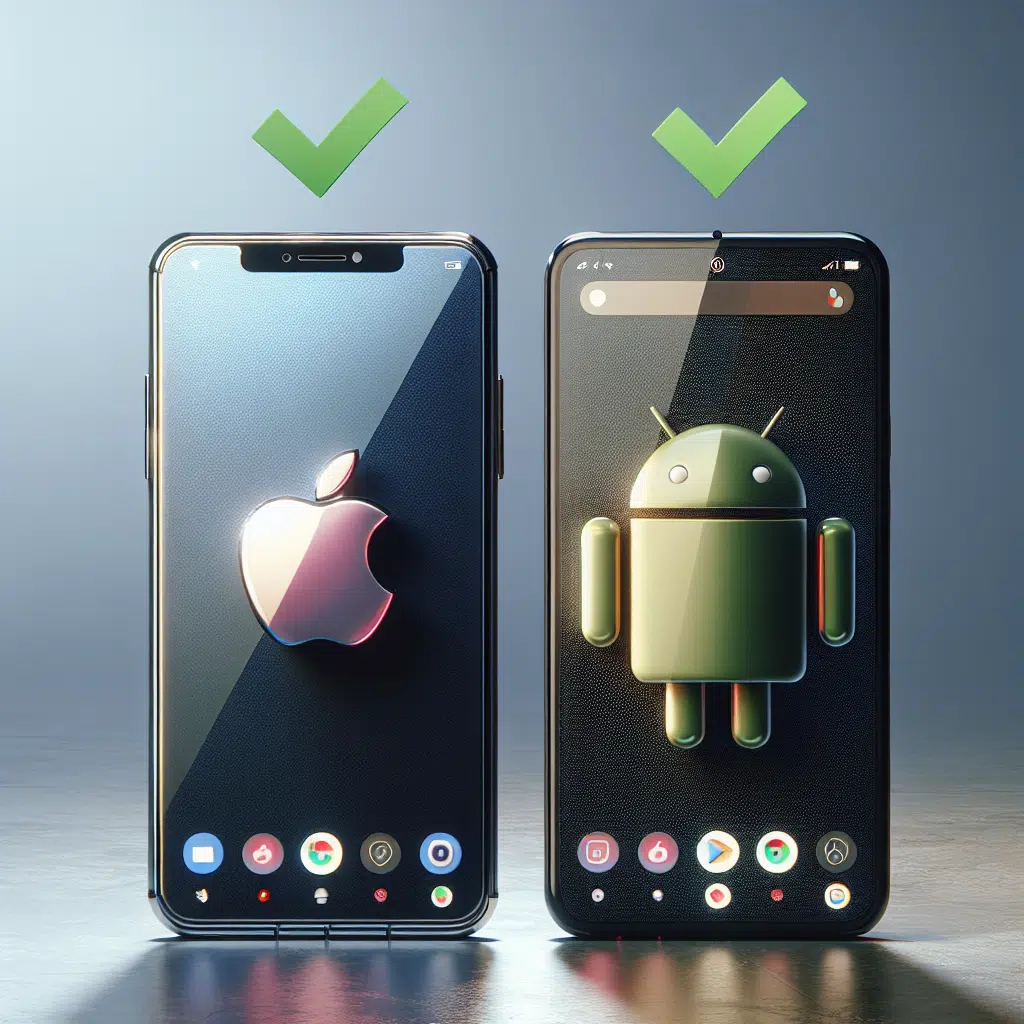
Iphone Vs Android Review
In the ever-evolving world of smartphones, two dominant players have emerged: Apple’s iPhone and the vast array of Android devices. Both platforms boast a loyal user base, innovative features, and a rich ecosystem of apps. However, as we delve into 2023, the question arises: Which smartphone reigns supreme? Let’s explore the differences and similarities between these two giants, and evaluate the factors that may sway your decision.
Design and Build Quality
iPhone
Apple has always prioritized a sleek, minimalist design, and the latest models continue this tradition. The iPhone 14 and 15 series offer premium materials, including surgical-grade stainless steel and Ceramic Shield for durability. The focus on aesthetics is complemented by a range of colors and finishes that cater to various tastes.
Android
Android devices are produced by a variety of manufacturers—Samsung, Google, OnePlus, and more—resulting in a broad spectrum of designs and build qualities. Flagship models like the Samsung Galaxy S23 or Google Pixel 7 boast premium materials, but budget models may feature less durable plastics. This diversity allows consumers to select a device that fits their style and budget.
Operating System and User Experience
iOS
Apple’s iOS is known for its intuitive user interface and seamless integration with the Apple ecosystem. Features like iMessage, AirDrop, and support for services such as Apple Pay foster a cohesive experience. Regular updates ensure that even older devices receive enhancements, keeping users connected with the latest features and security enhancements.
Android
Android provides greater customization options, allowing users to tweak their home screens, change default apps, and employ widgets extensively. Different manufacturers have their own interfaces—Samsung’s One UI, Google’s Material You, and others—offering unique experiences. While Android devices generally receive major updates less frequently, Google’s Pixel series stands out for providing timely updates directly from Google.
Performance and Features
iPhone
With each iteration, Apple continues to innovate with its A-series chips, delivering top-tier performance. The efficiency of these chips often translates to excellent battery life and smooth operation across applications. Features like Face ID and intensive computational photography have set iPhones apart, particularly in camera capability.
Android
Android also boasts impressive performance, especially in flagship models that come equipped with high-end processors like Qualcomm’s Snapdragon series. Camera proficiency varies greatly among brands; however, devices like the Samsung Galaxy S23 and Google Pixel 7 have garnered acclaim for their photographic capabilities. Advanced features, such as faster charging and customizable multitasking, highlight the versatility of Android devices.
App Ecosystem and Compatibility
iOS
The Apple App Store is renowned for its stringent quality controls, ensuring that apps are well-optimized and secure. Developers often prioritize releasing apps for iOS, leading to an impressive selection of high-quality applications. The integration with other Apple services, like iCloud and Apple Music, enhances convenience for users who already own multiple Apple products.
Android
The Google Play Store offers a vast array of apps, often at a lower cost, and the open nature of the platform allows for a greater variety of choices. However, this can lead to variability in quality. The ability to sideload apps is a strong advantage for tech-savvy users who wish to explore outside the framework of the Play Store.
Privacy and Security
iPhone
Apple’s commitment to privacy has become a cornerstone of its brand identity. With features like App Tracking Transparency and end-to-end encryption for iMessage, users can feel confident in their data’s security. Regular updates further safeguard against vulnerabilities.
Android
While Android offers robust security features, the openness of the platform can sometimes lead to security risks, particularly with third-party apps. Google has implemented measures like Google Play Protect, but users must remain vigilant about app permissions and source credibility.
Price Range and Accessibility
iPhone
iPhones tend to carry a premium price, often positioning them as luxury devices. However, Apple has introduced models like the iPhone SE to make its offerings more accessible, albeit with some trade-offs in performance and features.
Android
Android devices range from budget-friendly options to high-end flagships, catering to a broad spectrum of consumers. This diversity allows users to find a device that fits both their needs and their budget. However, sometimes, low-cost models may compromise on build quality and performance.
Conclusion: The Verdict
The choice between an iPhone and an Android device in 2023 boils down to personal preference and specific needs. If you value an integrated ecosystem, top-notch performance, and strong privacy features, the iPhone may be your best bet. On the other hand, if you prefer customization, broader hardware options, and more budget-friendly choices, Android could be the superior choice.
Ultimately, both platforms have their strengths and weaknesses, and the best smartphone for you is the one that fits your lifestyle and preferences. As technology continues to advance, the lines between these two giants may blur further, making the landscape even more exciting for consumers.